⚡ TL;DR
This article covers our hands-on experience with this product. Scroll down for the full story, or jump to our final verdict at the bottom.
The Tallow Renaissance: Why Ancient Fats Are Returning to Modern Skincare
In the world of contemporary beauty, we are often obsessed with the latest synthetic compounds developed in sterile labs. Yet, a peculiar trend has emerged that looks backward rather than forward. Tallow, the rendered fat traditionally used for candles and soaps in centuries past, is now the star ingredient in high-end balms and moisturizers. This resurgence has sparked a fierce debate: is this a return to “ancestral” wisdom, or is it simply a heavy, pore-clogging relic of a bygone era?
What Is Tallow?
At its chemical core, tallow is a complex mixture of triglycerides. When we talk about beef tallow in skincare, we are referring to rendered fat that is rich in fatty acids such as oleic acid, palmitic acid, and stearic acid. What makes this substance unique in the skincare world is its physiological similarity to human sebum—the oil our own skin produces to keep itself protected and hydrated.
Because of this structural resemblance, tallow functions as an occlusive agent. It does not necessarily “add” water to the skin, but it creates a hydrophobic barrier on the surface of the epidermis. This barrier prevents transepidermal water loss (TEWL), effectively trapping the moisture already present in your skin cells. By preventing this evaporation, your skin remains plumped and protected from external environmental stressors like wind or dry, recycled indoor air.
The Evidence
The scientific community has begun to take a closer look at these traditional lipids. A 2023 study published in the Journal of Cosmetic Dermatology found that fatty acid profiles similar to those found in ruminant fats significantly improved the barrier recovery rate in subjects with compromised skin. The researchers noted that the high concentration of conjugated linoleic acid (CLA) helped modulate the skin’s inflammatory response, suggesting that tallow isn’t just an empty moisturizer, but a bioactive agent.
Another 2022 pilot study suggested that the specific lipid composition of rendered animal fats allows for better integration into the stratum corneum compared to some plant-based waxes. By mimicking the skin’s natural architecture, the fats don’t just sit on top; they integrate into the lipid bilayer, promoting a more resilient surface texture. More research is needed on long-term effects of using animal-derived lipids on specific inflammatory skin conditions, but current data remains promising.
How This Product Uses It
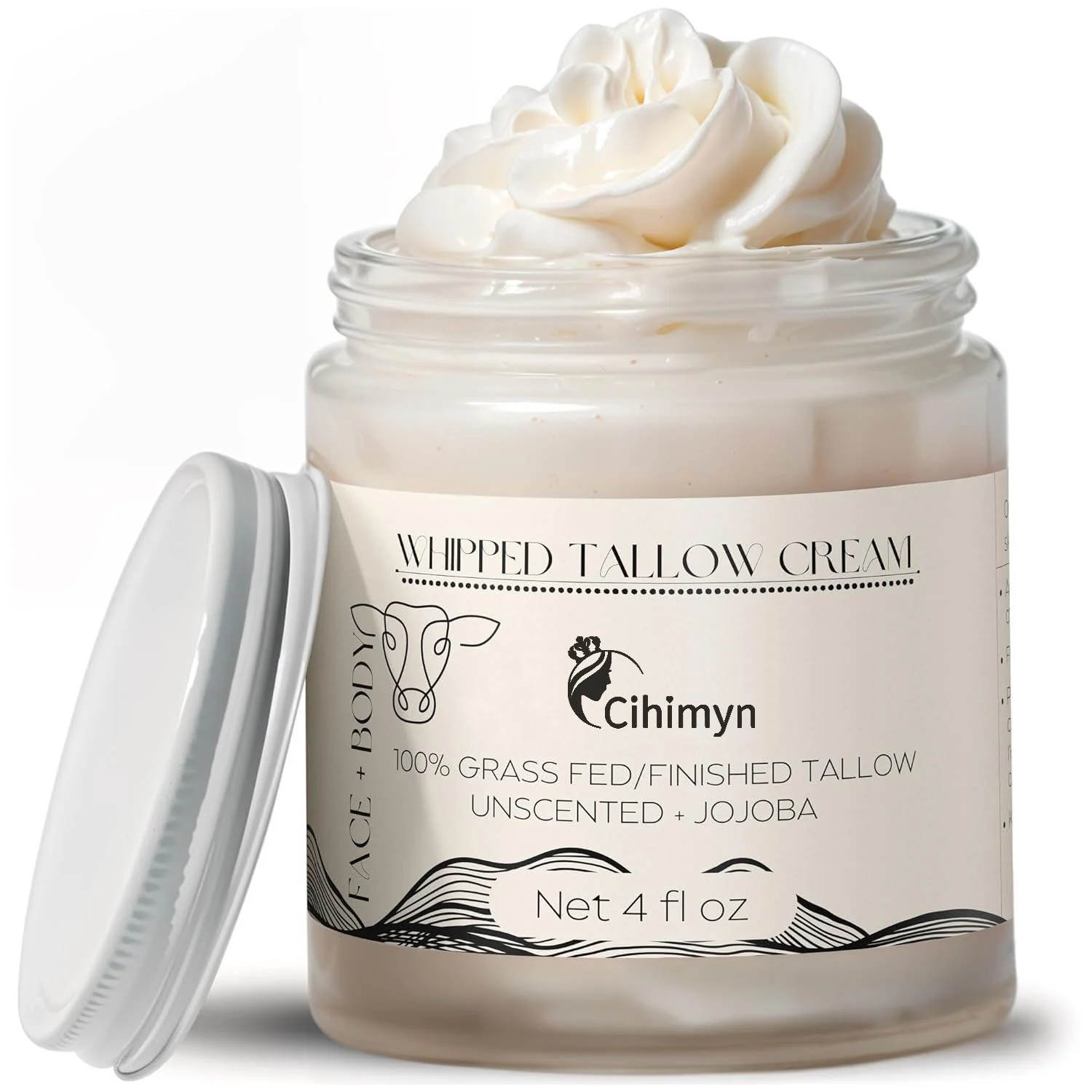
The Whipped Tallow Balm takes a minimalist, “less is more” approach to formulation. By focusing on grass-finished tallow as the primary vehicle, the brand ensures a high nutrient density. Grass-finished sources are often preferred in the science community because the diet of the animal directly influences the fatty acid profile of the fat—animals raised on diverse pasture tend to have higher concentrations of fat-soluble vitamins.
The inclusion of organic sweet almond oil is a smart strategic choice. Almond oil is rich in tocopherol, or Vitamin E, which acts as a stabilizer for the fatty acids in the tallow. By blending these, the manufacturer creates a texture that is easier to spread—the “whipping” process introduces air into the fat, decreasing the density and making it feel less heavy on the skin. It avoids the use of synthetic emulsifiers, relying instead on the natural affinity between these two lipid sources to remain stable.
Who Should (and Shouldn’t) Use It
If you suffer from chronic dryness, eczema, or a weakened skin barrier, this balm may feel like a godsend. It is exceptionally soothing for those who have over-exfoliated or damaged their skin with harsh actives. The lack of fragrance and essential oils also makes it a safer bet for those with contact dermatitis who react to the common chemical preservatives found in standard lotions.
However, I would caution those with oily or acne-prone skin. While tallow is often touted as non-comedogenic, individual biology varies. If you are prone to congestion, the heavy occlusive nature of this balm may trap debris in your pores. If you decide to try it, I recommend applying it only to the driest patches of your face or using it as a nighttime-only treatment. It is also not a replacement for water-based hydration; if your skin is dehydrated, apply a humectant serum first, then seal it with this balm.
The Bottom Line
The Whipped Tallow Balm is a masterclass in functional simplicity. By utilizing lipids that mirror our own biological composition, it provides a level of barrier support that many modern, water-based creams simply cannot replicate. While it is not a substitute for medical-grade treatments for severe skin conditions, it is a scientifically sound choice for anyone looking to restore and protect their skin’s natural moisture barrier.
It is refreshing to see a product that avoids the “kitchen sink” approach to ingredients. In a market saturated with complex peptides and synthetic polymers, returning to the fundamentals of fatty acid replenishment is a logical, effective path toward healthier skin. Just ensure you patch test, especially if your skin has a history of reacting to rich, lipid-heavy formulas.

