
Starting with retinol can feel a bit intimidating, especially if you have sensitive skin. I remember my first attempt years ago—I was so eager for results that I used a strong formula every night and ended up with red, flaky skin for a week. I learned this the hard way: patience and a gentle approach are everything. But when you introduce it correctly, the payoffs for your skin are incredible. This guide will walk you through how to use a retinol moisturizer, like the one I use, to smooth fine lines and boost hydration without the drama.
What You’ll Need
- A gentle, hydrating cleanser
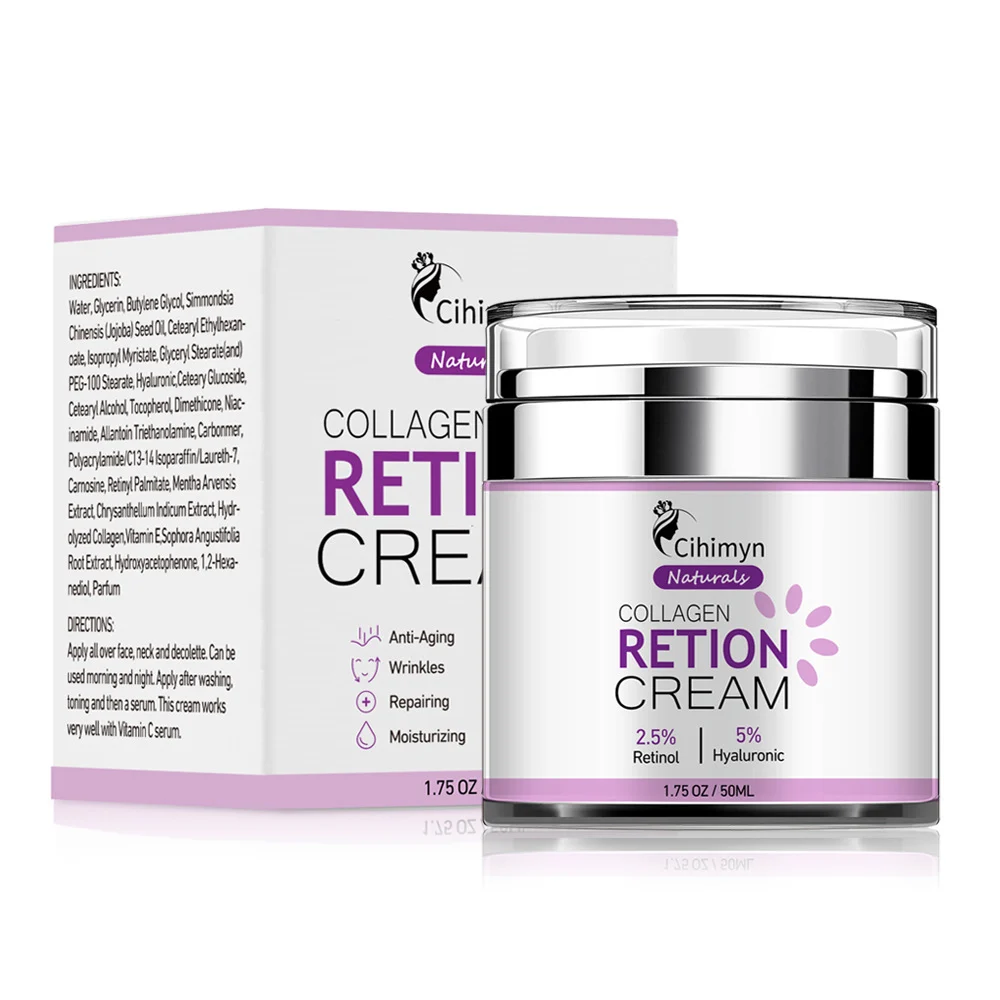
- Retinol Moisturizing Cream (The product I used: available here.)
- A hydrating serum (optional but recommended)
- A broad-spectrum sunscreen (SPF 30+)
- Your regular moisturizer (for your “buffering” nights)
Step-by-Step Guide
Step 1: Do a Patch Test
Before you put this cream all over your face, it’s smart to do a patch test. Apply a small amount behind your ear or on the inside of your forearm. Wait 24-48 hours to check for any redness, itching, or burning. If your skin feels fine, you’re good to go. This simple step can save you from a lot of discomfort.
Step 2: Start on a Clean Slate
Always apply your retinol cream to clean, completely dry skin. Wash your face with a gentle cleanser and pat it dry. Don’t rush this. If your skin is even a little damp, the retinol can absorb more deeply and potentially cause more irritation. I wait a good 5-10 minutes after washing to be sure.
Step 3: Use the “Sandwich” Method (For Your First Few Weeks)
This is the best trick for sensitive skin. First, apply a light layer of your regular, gentle moisturizer. Next, take a pea-sized amount of the Retinol Cream and dot it on your forehead, cheeks, nose, and chin. Gently massage it in upward, circular motions. Finish with another light layer of your regular moisturizer. This “buffers” the retinol, making it gentler as your skin gets used to it.
Step 4: Begin with a Slow Schedule
Don’t use it every night right away. Start by using it just two nights a week, like Monday and Thursday. Stick with this for two weeks. If your skin is tolerating it well (no major redness or peeling), you can bump it up to every other night. The goal is to work up to nightly use, but that might take a month or two. This is totally normal! Listen to your skin.
Step 5: Apply to Your Neck and Décolletage
These areas show signs of aging too, and they often get forgotten. Use any leftover cream from your face and gently smooth it down your neck and onto your chest. Always use upward motions.
Step 6: Protect with SPF Every Single Morning
This is non-negotiable. Retinol makes your skin more sensitive to the sun. Every morning, even if it’s cloudy, apply a broad-spectrum sunscreen with SPF 30 or higher. This protects your skin and makes your entire anti-aging routine more effective.
Pro Tips
Layer with Hyaluronic Acid: For an extra hydration boost, apply a hyaluronic acid serum to damp skin right after cleansing, before your retinol. The Retinol Cream already has it, but the extra layer helps plump skin and can offset dryness.
If you liked this, you’ll probably find Retinol Serum with Hyaluronic Acid and Vitamin E 30ml Anti-Aging Face Treatment – Review interesting too.
The Pea-Sized Rule is Real: More is not better with retinol. A pea-sized amount for your entire face and neck is plenty. Using more won’t speed up results and will likely cause irritation.
Skip Other Actives on Retinol Nights: On the nights you use this cream, avoid other potent ingredients like AHA/BHA acids or strong vitamin C serums. Keep it simple: cleanse, moisturize (buffer), retinol, moisturize.
Common Mistakes to Avoid
- Applying to Wet Skin: This increases penetration and irritation. Always ensure your face is bone dry.
- Quitting at the First Sign of Flaking: A little flakiness or dryness is common in the first few weeks. Don’t worry if this happens. Just take a night off, hydrate intensely, and then resume your schedule. Only stop completely if you experience stinging, burning, or severe redness.
- Forgetting Your Sunscreen: Skipping SPF not only increases sun damage risk but can also reverse the good work your retinol is doing. Make it a daily habit.
Expected Results & Timeline
With consistent use, here’s what you can generally expect:
- 1-2 Weeks: Your skin may feel softer, look more hydrated, and have a smoother texture. Any initial dryness should start to subside as your skin adjusts.
- 4-6 Weeks: This is when many people start to see a visible reduction in fine lines, especially around the eyes and forehead. Skin tone may begin to look more even.
- 8-12 Weeks (and beyond): Continued improvement in firmness, clarity, and overall radiance. Deeper wrinkles may appear softened, and your skin’s texture should feel significantly refined.
Remember, skincare is a marathon, not a sprint. Consistency is your best friend. Stick with your gentle routine, protect your skin from the sun, and you’ll be on your way to healthier, more resilient skin.

